Silent Pilgrimages: Walking the Kumano Kodo Coastlines
Published April 12, 2025 • By Kenji Takahashi • 8 min read
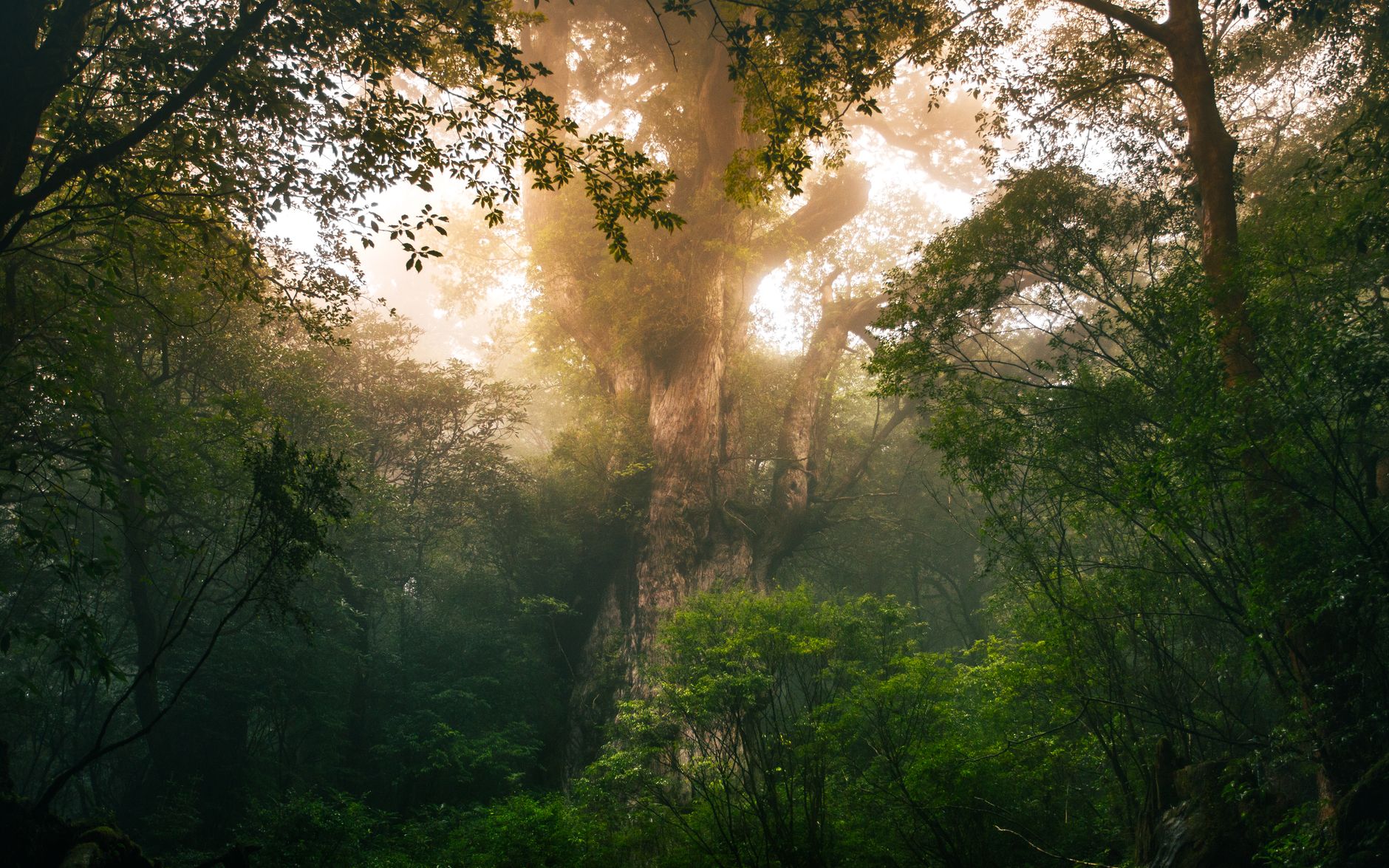
Table of Contents
1. The Ancient Cedar Corridors
For over a millennium, emperors, retired shoguns, and ascetic monks have walked south from Kyoto into the rugged mountains of the Kii Peninsula. The Kumano Kodo is not a single trail, but a network of sacred pilgrimage routes woven through damp cedar canopies and coastal ridges.
Walking the Nakahechi route in early morning mist, every footfall lands on smooth river stones embedded into earth centuries ago. The damp air smells richly of Hinoki cedar bark, damp moss, and incense left at tiny stone Jizo statues stationed along steep mountain passes.
2. Shinto Sanctuaries & River Cleansing
At Kumano Hongu Taisha and Nachi Taisha, Shinto and Buddhist syncretism lives on. Pilgrims arrive at Nachi Falls—a thunderous vertical cataract dropping 133 meters—and bow in reverence to the kami (spirit) that inhabits the falling water itself.
"In western thought, nature is something to conquer or observe. On Kumano Kodo, nature is the teacher, and the pilgrim is merely an ephemeral visitor passing through."
3. The Hospitality of Forest Minshuku
Evenings conclude in tiny mountain hamlets such as Yunomine Onsen—where mineral-rich thermal waters have bubbled out of riverbeds for nearly two thousand years. In modest wooden minshuku (family inns), hosts serve seasonal river trout grilled on charcoal, sweet chestnuts, and locally harvested mountain ferns.