The Hidden Terroirs of Umbria: Olive Groves and Stone Basements
Published April 18, 2025 • By Sarah Jenkins • 7 min read
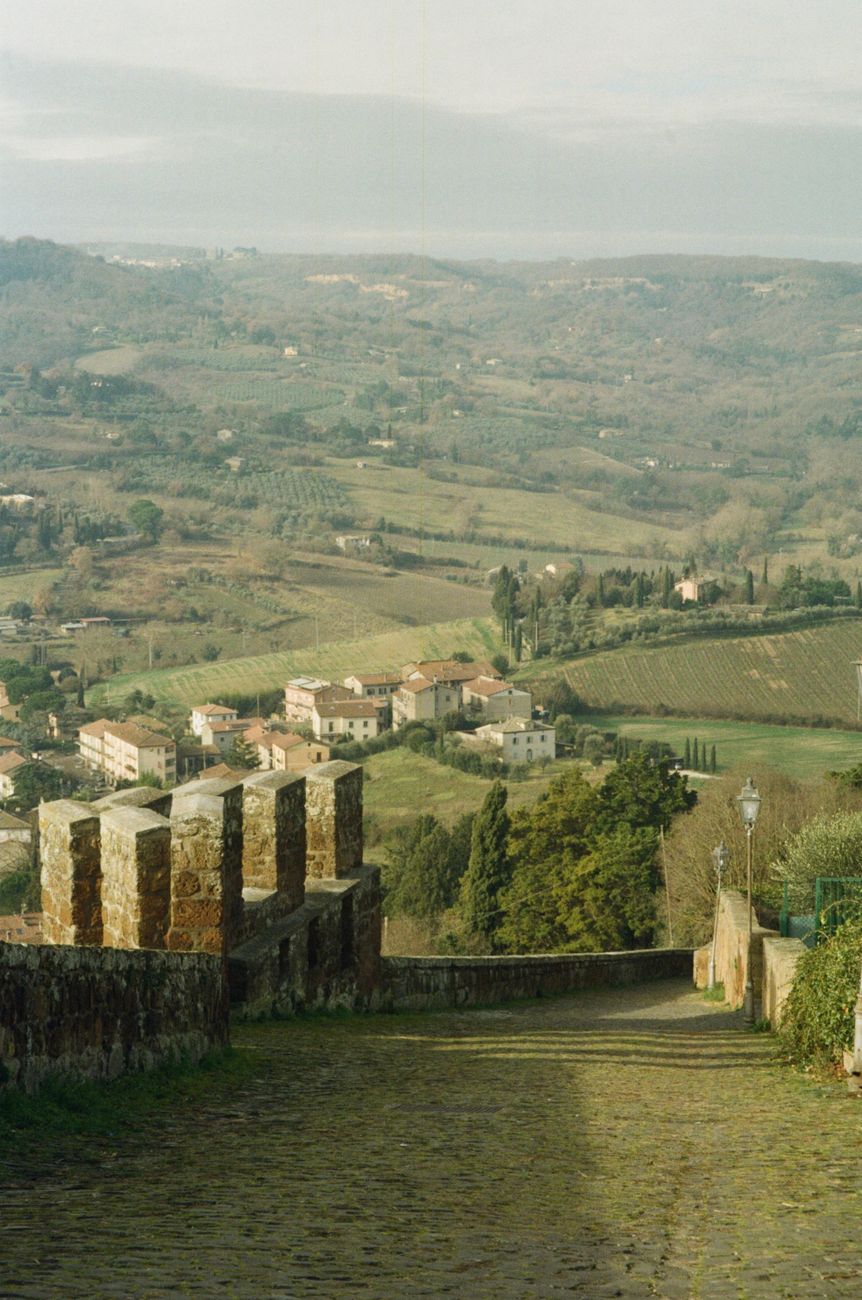
Table of Contents
1. The Morning Mist Over Montefalco
When dawn breaks over the hills surrounding Trevi and Montefalco, it does not arrive with the dramatic fanfare of coastal sunrises. Instead, the morning creeps slowly out of the valley floor—a dense, silver fog rising off the clay soils, clinging to gnarled trunk silhouettes before retreating beneath the sun's gentle warmth. Here in Umbria, Italy’s only landlocked central province, life moves to the cadence of the seasons rather than the transit schedules of international travelers.
While Tuscany to the west has long accommodated tour coaches and curated souvenir markets, Umbria preserves a stubborn, quiet dignity. In villages like Spello and Bevagna, medieval limestone alleyways remain working residential spaces where laundry hangs from wrought-iron balconies and elderly neighbors greet each other by Christian name.
2. Stone Cellars and The Moraiolo Olive
The defining agricultural protagonist of this terrain is the Moraiolo cultivar. Small, dark, and resilient, these olive trees cling to steep, rock-strewn terraces where mechanical harvesting is virtually impossible. Every autumn, families lay out woven nets across the limestone slopes, hand-raking the fruit directly into wooden crates.
"Our soil does not yield sweetness without discipline. The olive oil of Umbria burns the throat slightly—it is pungent with artichoke leaf, green almond, and pure vitality." — Marco Bartolini, third-generation frantoiano.
Descending into the stone basements of Trevi, one discovers mills that have pressed fruit since the 14th century. The air is cool, humid with damp stone and fragrant with freshly pressed oil that glows an almost electric emerald green.
3. The Quiet Persistence of Family Terroir
At the midday meal, when shops slide their wooden shutters closed for three uninterrupted hours, dining tables become sanctuaries. A single plate of Castelluccio lentils, stewed slowly with wild celery, garlic cloves, and finished with a generous pour of unheated oil, demonstrates how poverty-born culinary traditions evolved into world-renowned gastronomy.
Travelers who rush through Italy miss these moments of pause. To experience Umbria is to adjust one’s internal clock to the fermentation of Sagrantino wine, the slow ripening of summer truffles, and the evening murmur of the village piazza.